स्रोतसामस्मि जाह्नवी
Ganga Aarti Varanasi – Maa Ganga History & Spiritual Significance
ShivBodh Trust, Shivala Ghat
About This Guide
This comprehensive guide traces the timeless story of Mother Ganga – from her celestial origins in the heavens of Lord Vishnu's lotus foot, through her descent to Earth at Gangotri, to her sacred flow through the ancient city of Varanasi. We explore the mythology, geography, science, and spiritual significance of the holiest river in Hinduism, culminating in the daily Ganga Aarti at Shivala Ghat.
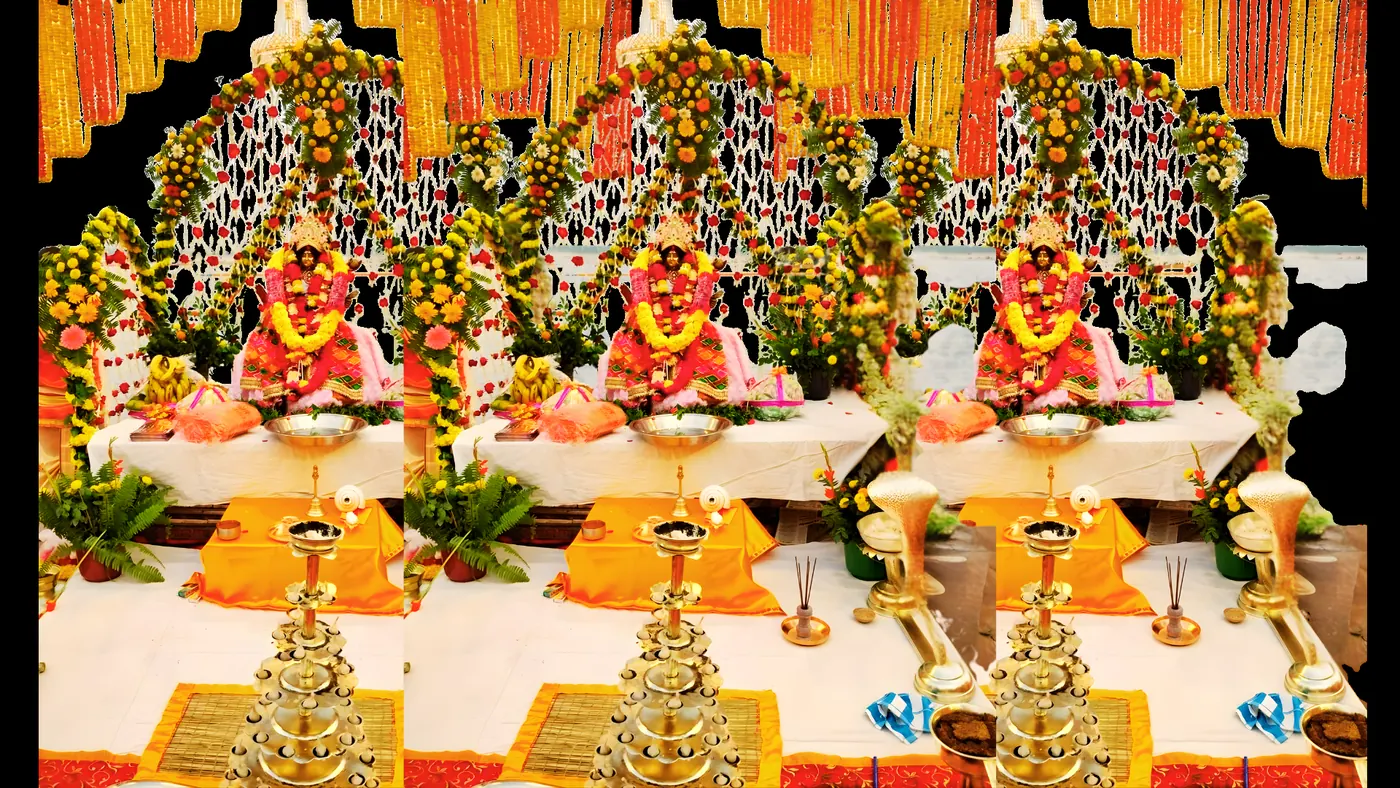
1. Mythological Story
The Legend of Gangavataran
The story of Ganga's descent to Earth is one of the most celebrated episodes in Hindu scripture. King Sagara of the Ikshvaku dynasty (Solar Dynasty) performed the Ashwamedha Yagna (horse sacrifice). His horse was stolen by Indra, the king of gods, who was jealous of Sagara's growing power. Sagara sent his 60,000 sons to search for the horse. They found it in the netherworld (Patala) near the sage Kapila, who was deep in meditation. Mistaking Kapila for the thief, the princes disturbed his penance. The enraged sage's glance reduced all 60,000 sons to ashes in an instant.
When King Sagara's grandson, Anshuman, learned of this tragedy, he attempted to bring the sacred river Ganga to Earth so his grandfather's sons could attain Moksha (liberation). But it was Sagara's great-grandson, King Bhagiratha, who finally undertook the most arduous penance – meditating for thousands of years with a single blade of grass beneath him, enduring extreme hardship and self-denial.
Impressed by Bhagiratha's devotion, Lord Brahma granted his wish. However, when Ganga descended with such tremendous force that she would have shattered the Earth, Bhagiratha prayed to Lord Shiva. Shiva caught the mighty Ganga in his matted locks (jata) and released her in seven gentle streams. This divine event is called Gangavataran – the Descent of Ganga.
"नमो गंगायै विष्णुपदे परिवृतायै सततं संसार पावनायै।।"
"Salutations to Ganga, who is situated at the feet of Lord Vishnu, who is forever the purifier of the entire universe."
In the Ramayana & Puranas
The Ramayana references Ganga as the divine river who cleanses the sins of humanity. In the Puranas, she is described as one of the three sacred rivers (Ganga, Yamuna, Saraswati) that flow through Varanasi, along with the invisible Akshayavat (eternal banyan) – the trifecta that makes dying in Varanasi a guaranteed path to liberation.
The Skanda Purana states: "In Kashi, even a single drop of Ganga water can liberate a soul from the endless cycle of birth and death."
2. Origin & Geography
Source at Gangotri
The Ganga originates from the Gaumukh glacier (literally "Cow's Mouth") at an altitude of 4,356 meters (14,295 feet) in the Garhwal Himalayas of Uttarakhand. The glacier sits at the foot of the majestic Chaukhamba range. The stream that flows from Gaumukh is originally called the Bhagirathi, named after King Bhagiratha.
The Longest Journey
Ganga flows for a total length of 2,525 km (1,569 miles) from Gaumukh to the Bay of Bengal, making it one of the longest rivers in the world. Her basin covers an enormous area of 1,016,124 km², supporting the lives of over 400 million people across India, Nepal, and Bangladesh.
Tributaries
- Mandakini – from Kedarnath
- Alaknanda – the true source stream
- Pindar – from Pindari glacier
- Marsyangdi – from Manaslu region
- Tribeni – the triple confluence
- Gandak – from Nepal Himalayas
- Ghaghara – from Tibetan Plateau
- Kosi – the "Sorrow of Bihar"
- Son – from Amarkantak
3. Panch Prayag
The Panch Prayag (Five Confluences) are five sacred river confluences along the Alaknanda river system in Uttarakhand. Each confluence is believed to cleanse a specific sin and is held in great reverence by pilgrims performing the Char Dham Yatra.
1. Vishnuprayag
Confluence of the Alaknanda and Dhauliganga rivers. Named after Lord Vishnu. Pilgrims bathe here to wash away sins committed in childhood and youth.
2. Nandprayag
Confluence of the Alaknanda and Nandakini rivers. Named after King Nanda (foster father of Lord Krishna). Bathing here is believed to purify sins of attachment.
3. Karnaprayag
Confluence of the Alaknanda and Pindar rivers. Named after Karna, the great warrior from the Mahabharata. Devotees believe bathing here purifies the sin of pride and arrogance.
4. Rudraprayag
Confluence of the Alaknanda and Mandakini rivers. Named after Lord Shiva in his fierce Rudra form. Bathing here purifies the sin of hatred and anger.
5. Devprayag
Confluence of the Alaknanda and Bhagirathi rivers. This is where the Alaknanda and Bhagirathi merge to officially become the Ganga. After Devprayag, the river flows as the eternal Ganga, carrying the prayers and hopes of millions.
"One who bathes in the Panch Prayag is freed from all sins and moves towards liberation."
4. Festivals on the Ganga
Ganga Dussehra
Ganga Dussehra (Jyeshtha Shukla Dashami) celebrates the descent of Ganga from heaven to Earth. Devotees take a sacred dip in the Ganga at Varanasi, Haridwar, and Prayagraj. The evening aarti along the ghats is spectacular, with thousands of oil lamps (diyas) floating on the water.
Kumbh Mela
The Kumbh Mela is the largest peaceful gathering on Earth, held every 12 years at four sacred river locations. At Prayagraj (Triveni Sangam), the Kumbh Mela draws over 120 million pilgrims over its 45-day duration. The Shahi Snan (royal bath) days are the most auspicious.
Kartik Purnima & Dev Deepawali
Kartik Purnima (Oct–Nov) is one of the most auspicious days on the Ganga. On this night, the entire stretch of Varanasi ghats is illuminated with millions of earthen lamps. The following day, Dev Deepawali ("Festival of Lights of the Gods") is celebrated – the 15 ghats of Varanasi are lit with over 1.5 million diyas, creating a scene of unparalleled beauty.
Makar Sankranti & Magh Mela
Makar Sankranti (January 14) marks the sun's northward journey (Uttarayan) and is an occasion for sacred bathing. The Magh Mela at Prayagraj runs for the entire month of Magh (Jan–Feb), with weekly bathing days culminating on Magh Purnima.
5. Scientific Importance
Bacteriophages – The Ganga's Natural Shield
The scientific study of the Ganga's unique self-purifying properties began with British bacteriologist Ernest Hankin in 1896. He discovered the presence of bacteriophages – viruses that attack and destroy harmful bacteria – in the Ganga's water.
Self-Purifying Properties
The Ganga's self-purifying nature has fascinated scientists for over a century:
- Bacteriophages – naturally occurring viruses that kill disease-causing bacteria
- High dissolved oxygen – mountain stream turbulence creates high oxygen levels
- Mineral content – minerals from Himalayan rocks have antimicrobial properties
- Sediment filtration – the riverbed acts as a natural filter
"The Ganges is perhaps the only river in the world that has retained its purity for thousands of years, a phenomenon that science is only beginning to understand."
Despite these remarkable properties, modern pollution poses severe challenges. The Ganga Action Plan (1986) and Namami Gange programme (2014) are ongoing government efforts to restore and protect the river's health.
6. Daily Aarti at Shivala Ghat
ShivBodh Trust
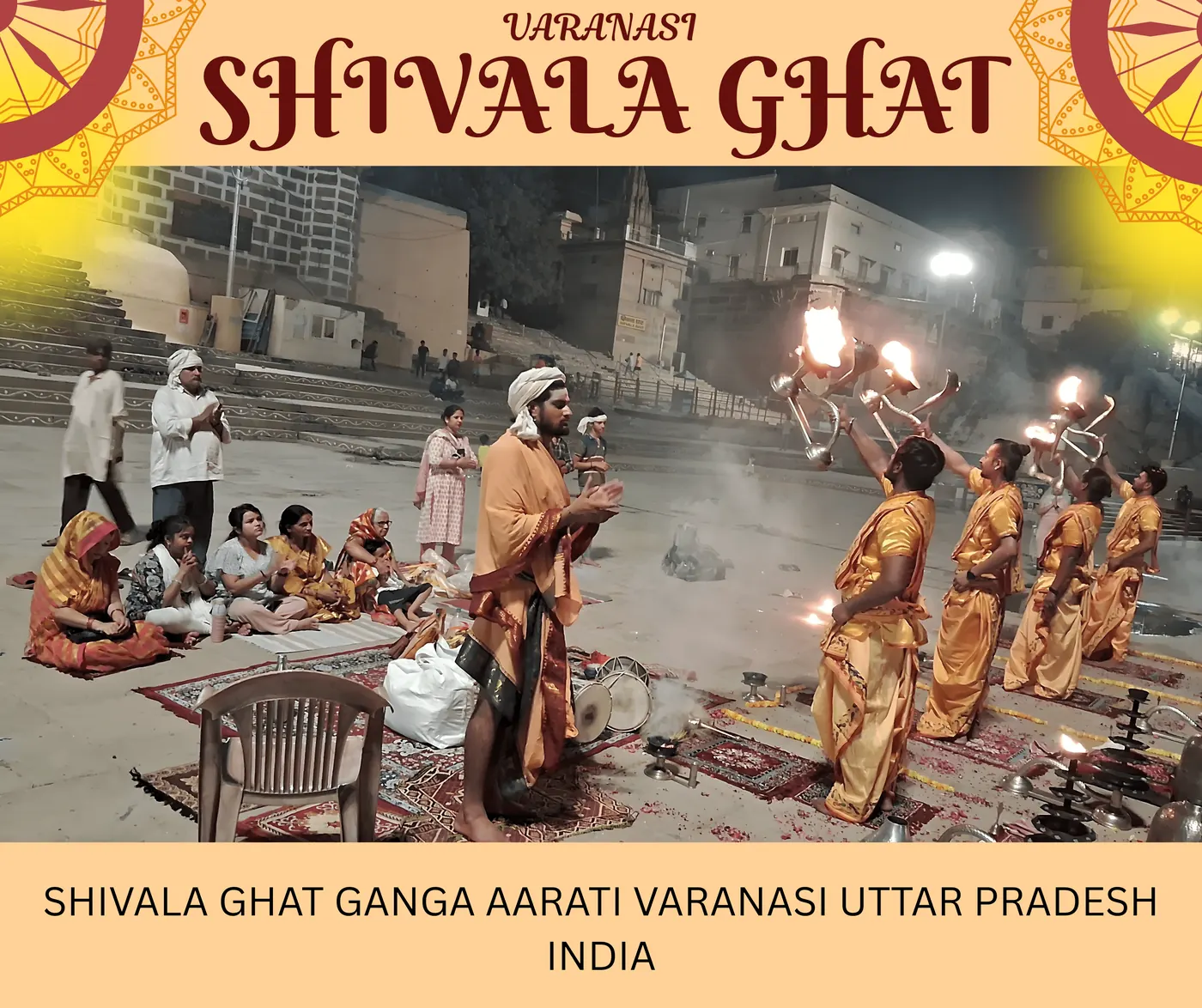
At Shivala Ghat, one of Varanasi's oldest and most revered ghats, the ShivBodh Trust conducts the daily Ganga Aarti with authentic Vedic rituals. Unlike the more commercialized Dashashwamedh Ghat aarti, the Shivala Ghat aarti offers an intimate, deeply spiritual experience.
Evening Aarti
The evening aarti begins at sunset and is the highlight of the day at Shivala Ghat. As the sun dips below the ancient skyline of Varanasi, the priests light five brass lamps in a mesmerizing choreography synchronized with Vedic mantras. The sound of temple bells, conch shells (shankh), and Sanskrit hymns fills the air.
Morning Aarti
The morning aarti begins at 5:30 AM and concludes by 6:30 AM. This pre-dawn ceremony is equally powerful – as the first rays of sunlight touch the Ganga, the aarti invokes blessings for a new day.
Special Occasions
- Ekadashi – Enhanced aarti with extended Vedic chanting
- Full Moon (Purnima) – Grand aarti with special offerings
- New Moon (Amavasya) – Intimate ceremony for ancestor worship (Pitr Tarpan)
- Shivratri – All-night aarti and celebrations
- Kartik Purnima – Grand festival aarti with thousands of devotees
7. Book Your Sacred Experience
Join us at Shivala Ghat for an unforgettable Ganga Aarti experience. Whether you seek a private ceremony, a guided spiritual tour, or simply wish to witness the divine beauty of the evening aarti, ShivBodh Trust welcomes you with open arms.
Contact Us
- Shivala Ghat, Varanasi – 221001, Uttar Pradesh, India
- +91 88588 85319
- contact@varanasigangaaarti.com
- Instagram: @varanasi.ganga.aarti